Why Choose RedVersity? (USPs)

HSSC Certified Curriculum

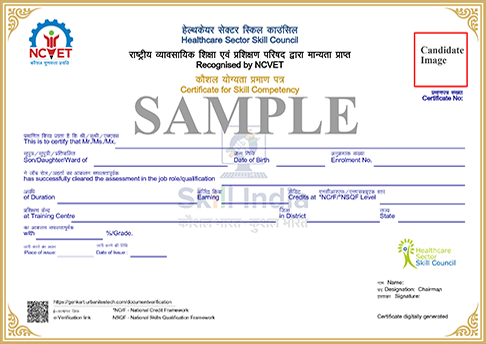
Our program is fully aligned with the Healthcare Sector Skill Council standards, ensuring national recognition.

Skill-First Training

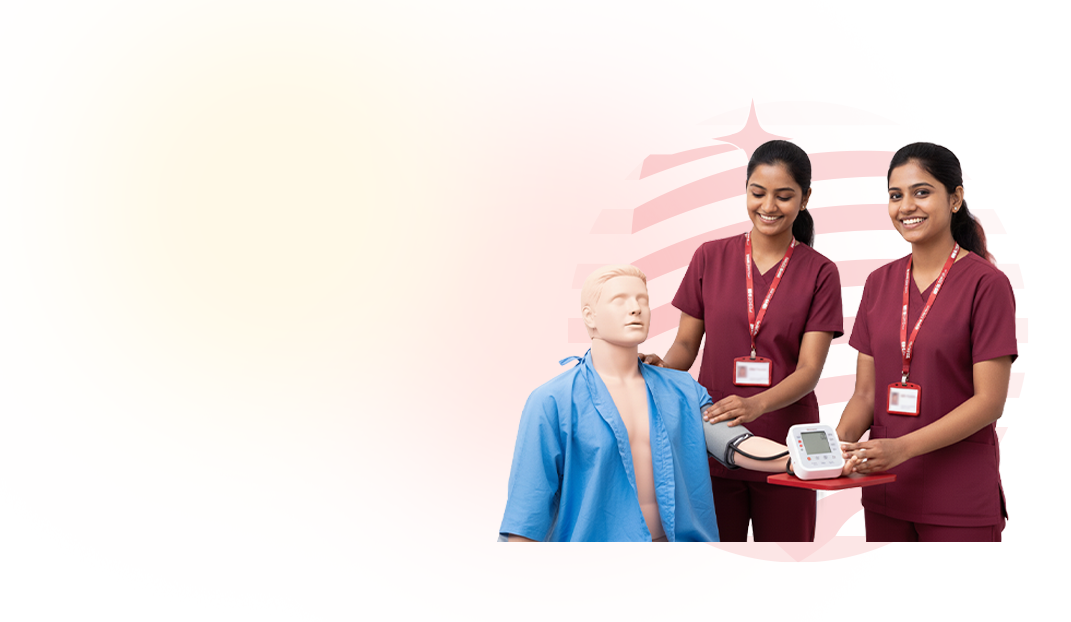
We prioritize “doing” over “reading.” Our simulation labs mimic real-world emergency scenarios.

Placement Assistance

Access to our network of private hospitals, ambulance services, and trauma centers

Experienced Mentors

Learn from paramedics and healthcare professionals with years of on-field experience.

Course Highlights


  • Duration: 6 Months (Includes classroom learning and clinical internship).
  • Training Mode: Blended (Theory + Hands-on Practical Labs).
  • Locations: Chennai, Hyderabad, Bangalore, Gurgaon, Kolkata.
  • Certification: Industry-recognized certificate upon successful completion

Outcome – Growth

Starting Roles

Ward Assistant, Nursing Helper, Hospital Support.

Growth

Transition into Senior GDA, Nursing Assistant, or move into specialized units like ICU Assistant after further training.

Detailed Program Modules

The RedVersity GDA curriculum is designed to move from foundational knowledge to high-pressure life-saving techniques.

Module 1: Healthcare Systems & The GDA Role
  • Organizational Hierarchy: Understanding the flow of a multi-specialty hospital and where the GDA fits within the nursing and medical teams.
  • Ethics & Professionalism: Mastering the “Patient’s Bill of Rights,” maintaining strict confidentiality (HIPAA), and professional grooming/etiquette for bedside care.
Module 2: Basic Nursing & Hygiene Protocols
  • Patient Hygiene: Clinical techniques for bed-baths, oral care, and hair care for non-ambulatory patients.
  • Bed-Making: Learning specialized techniques for “occupied” vs. “unoccupied” beds to ensure patient comfort and skin integrity.
  • Feeding & Nutrition: Assisting with oral feeding, managing thickened liquids, and understanding the basics of Ryle’s Tube (NG tube) positioning.
Module 3: Clinical Observations & Vital Signs
  • TPR & BP Monitoring: Mastering the use of manual and digital Sphygmomanometers, Thermometers, and Pulse Oximeters.
  • Fluid Management: Maintaining “Intake/Output” charts with 100% accuracy to help doctors monitor kidney and heart function.
Module 4: Infection Control & Waste Management
  • Aseptic Techniques: Mastering the WHO 7-step handwashing technique and the proper donning/doffing of PPE.
  • Bio-Medical Waste (BMW): Color-coded waste segregation (Yellow, Red, White, Blue) as per the 2016/2018 Amendment Acts.
Module 5: Patient Movement & Pressure Sore Care
  • Body Mechanics: Using safe lifting techniques to move patients from bed to wheelchair or stretcher without injury.
  • Decubitus Ulcer Prevention: Learning the “2-hour turning” protocol to prevent pressure sores (bedsores) in long-term patients.