The GCA program at RedVersity is a specialized 1-year certification focused on the complex physical, emotional, and social needs of the elderly. You will be trained to manage age-related conditions with professional expertise, providing high-quality care in private homes, assisted living facilities, and specialized geriatric wards.

Governtment recognised skilling program

Start date

11th March

Duration

1 Year in simulation and
theory based learning

Eligibility

10th pass

Navigating the complexities of healthcare shouldn’t be a solo journey.
Here is how Redversity bridges the gap between your vision and reality.


HSSC Certified

Simulation led Learning

Placement Assitance

Expert Mentors

Girl Image

Go beyond the basics with a curriculum Engineered for Real-World Application


  • Classroom learning and clinical internship
  • Industry-recognized certificate
  • Blended theory and Hands-on Training
  • In more than 5 locations across India

We collaborate with 100+ leading universities and companies

Application Process

  • Submit your Application

    Start your journey by submitting your applocation to the Redversity program.

  • Get Shortlisted

    If selected, you’ll be shortlisted based on your qualifications and profile.

  • Fees Payment

    Shortlisted canditate should clear the initial fee payment to block the bathc seat.

  • Confirmation

    Post fee confirmation the candidate will receive an official confirmation email

Get Started with Admissions

Share your details and our team will personally reach out to assist you.

    I authorize RedVersity and its representatives to Call, SMS, Email or WhatsApp me about its updates and notifications. This consent overrides any registration for DND / NDNC.
    We respect your privacy. Your information is safe with us.

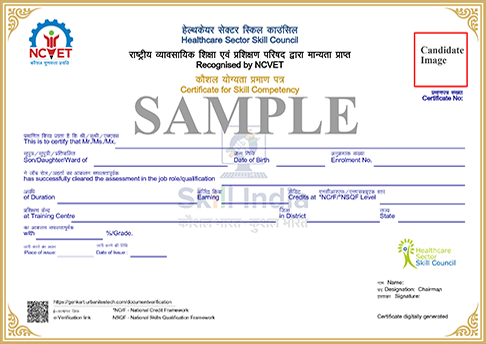
    Your dedication deserves recognition.

    Upon completion, youll proudle receive the official certificate.

    Cetificate

    Detailed Program Modules

    The RedVersity GCA curriculum is designed to move from foundational knowledge to high-pressure life-saving techniques.

    Module 1: Biology of Aging & Gerontology
    • Physiological Changes: In-depth study of how the respiratory, cardiovascular, and skeletal systems change after age 65.
    • Psychology of Aging: Understanding “Ageism,” social isolation, and the psychological impact of losing independence.
    Module 2: Chronic Disease Management
    • Cognitive Disorders: Specialized training in managing Alzheimer’s and Dementia, including “reminiscence therapy” and “validation techniques.”
    • Mobility Disorders: Care protocols for Parkinson’s (tremor management) and Arthritis (joint protection).
    Module 3: Geriatric Pharmacology & Safety
    • Medication Adherence: Managing complex medication schedules (polypharmacy) and identifying common adverse drug reactions in the elderly.
    • Fall Prevention: Conducting a “Home Safety Assessment” to eliminate trip hazards and installing assistive devices (grab bars).
    Module 4: Nutrition & Metabolic Health
    • Dietary Modification: Preparing soft, nutrient-dense, and low-sodium diets for patients with hypertension or swallowing difficulties (Dysphagia).
    • Hydration Monitoring: Recognizing early signs of dehydration, which often presents as confusion in the elderly.
    Module 5: Palliative Care & Emotional Support
    • End-of-Life Care: Providing comfort-oriented care (Pain management assistance) and spiritual/emotional support.
    • Family Counseling: Learning to communicate clinical updates sensitively to family members and caregivers.

    FAQ’s

    The RedVersity EMT-Basic curriculum is designed to move from foundational knowledge to high-pressure life-saving techniques.

    Foundations of Emergency Care
    • The EMS System: Understanding your role within the healthcare ecosystem and how to coordinate with hospitals.
    • Medical, Legal, and Ethical Issues: Learning about patient consent, “Duty to Act,” and maintaining patient confidentiality (HIPAA standards).
    • Safety & Wellness: Proper lifting and moving techniques to prevent provider injury and personal protection against infectious diseases.
    Anatomy, Physiology, and Medical Terminology
    • The Human Body: A deep dive into the skeletal, muscular, circulatory, and nervous systems to understand how injuries affect the body.
    • Vital Signs: Master the art of taking accurate blood pressure, pulse, and respiration rates under stress.
    • Medical Terminology: Learning the “language of medicine” to communicate effectively with doctors and nurses during patient handovers.
    Airway Management & Patient Assessment
    • Airway Pathophysiology: How to keep an airway open using OPA/NPA adjuncts and suctioning techniques.
    • Oxygen Therapy: Safe handling of oxygen cylinders and delivery via non-rebreather masks and nasal cannulas.
    • The Primary Survey: A systematic 60-second approach to identifying life-threatening conditions (ABC – Airway, Breathing, Circulation).
    Medical Emergencies & Pharmacology
    • Cardiovascular Care: Recognizing signs of a Heart Attack and performing high-quality CPR with AED (Automated External Defibrillator) usage.
    • Respiratory & Endocrine: Managing asthma attacks, allergic reactions (Anaphylaxis), and diabetic emergencies (Hypoglycemia).
    • General Pharmacology: Understanding the medications an EMT-B is authorized to administer or assist with.
    Trauma Management (The “Hands-On” Core)
    • Bleeding Control: Advanced use of tourniquets, pressure dressings, and managing internal bleeding/shock.
    • Soft Tissue & Burn Care: Treating lacerations, eviscerations, and calculating burn percentages.
    • Orthopedic Injuries: Splinting fractures and stabilizing dislocations to prevent further nerve damage.
    • Head and Spinal Injuries: Proper use of cervical collars and backboard immobilization.
    Special Populations & EMS Operations
    • Obstetrics & Pediatrics: Assisting in emergency childbirth and specialized care for infants and children.
    • Geriatric Care: Understanding the unique medical challenges and communication needs of elderly patients.
    • Ambulance Operations: Safe driving protocols, radio communication codes, and “Scene Size-up” at accident sites.
    Clinical Internship & Field Rotation
    • Hospital Rotation: Hands-on hours in a hospital Emergency Room (ER) observing patient triage.
    • Ambulance Ride-alongs: Real-world experience responding to 108/emergency calls under the supervision of a Senior Paramedic.