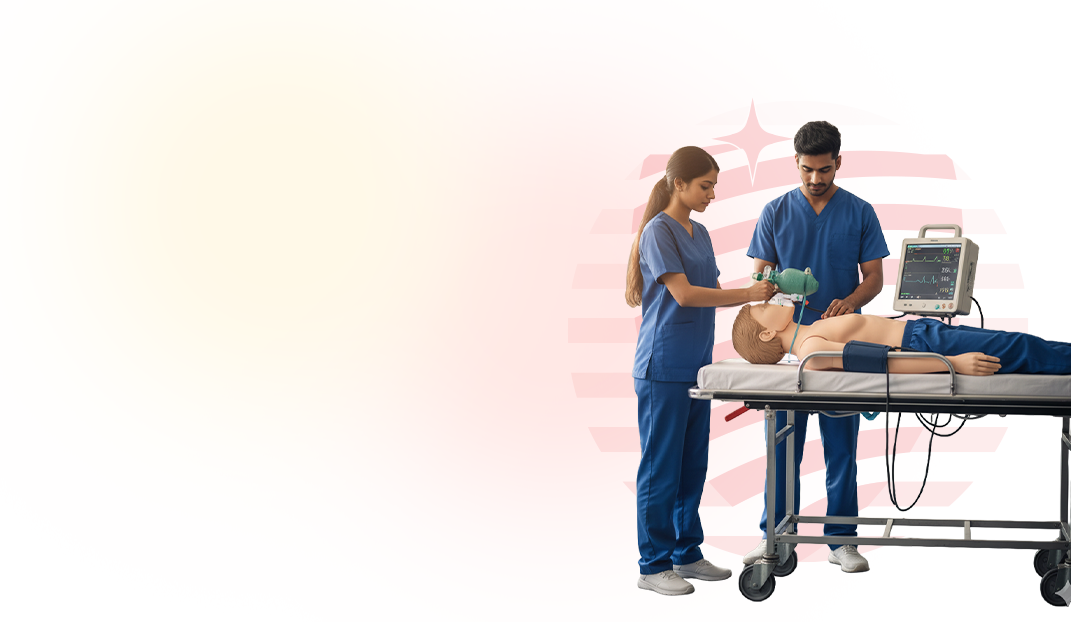
The EMT-Basic program at RedVersity is an intensive 6-month certification designed to turn you into a critical link in the healthcare chain. You will learn to provide emergency care to patients at the scene of an accident or illness and during transport to a medical facility.

Governtment recognised skilling program

Start date

11th March

Duration

6 month in simulation and
theory based learning

Eligibility

12th pass ( any stream )

Navigating the complexities of healthcare shouldn’t be a solo journey.
Here is how Redversity bridges the gap between your vision and reality.


HSSC Certified

Simulation led Learning

Placement Assitance

Expert Mentors

Girl Image

Go beyond the basics with a curriculum Engineered for Real-World Application


  • Classroom learning and clinical internship
  • Industry-recognized certificate
  • Blended theory and Hands-on Training
  • In more than 5 locations across India

We collaborate with 100+ leading universities and companies

Application Process

  • Submit your Application

    Start your journey by submitting your applocation to the Redversity program.

  • Get Shortlisted

    If selected, you’ll be shortlisted based on your qualifications and profile.

  • Fees Payment

    Shortlisted canditate should clear the initial fee payment to block the bathc seat.

  • Confirmation

    Post fee confirmation the candidate will receive an official confirmation email

Get Started with Admissions

Share your details and our team will personally reach out to assist you.

    I authorize RedVersity and its representatives to Call, SMS, Email or WhatsApp me about its updates and notifications. This consent overrides any registration for DND / NDNC.
    We respect your privacy. Your information is safe with us.

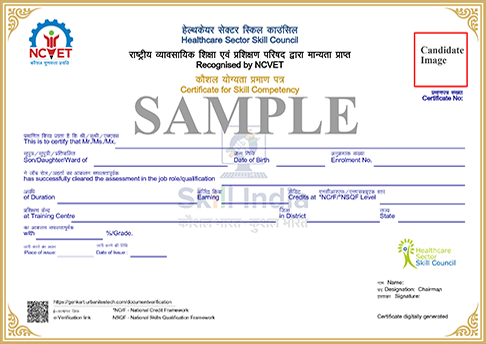
    Your dedication deserves recognition.

    Upon completion, youll proudle receive the official certificate.

    Cetificate

    Detailed Program Modules

    The RedVersity EMT-Basic curriculum is designed to move from foundational knowledge to high-pressure life-saving techniques.

    Module 1: Foundations of Emergency Care
    • The EMS System: Understanding your role within the healthcare ecosystem and how to coordinate with hospitals.
    • Medical, Legal, and Ethical Issues: Learning about patient consent, “Duty to Act,” and maintaining patient confidentiality (HIPAA standards).
    • Safety & Wellness: Proper lifting and moving techniques to prevent provider injury and personal protection against infectious diseases.
    Module 2: Anatomy, Physiology, and Medical Terminology
    • The Human Body: A deep dive into the skeletal, muscular, circulatory, and nervous systems to understand how injuries affect the body.
    • Vital Signs: Master the art of taking accurate blood pressure, pulse, and respiration rates under stress.
    • Medical Terminology: Learning the “language of medicine” to communicate effectively with doctors and nurses during patient handovers.
    Module 3: Airway Management & Patient Assessment
    • Airway Pathophysiology: How to keep an airway open using OPA/NPA adjuncts and suctioning techniques.
    • Oxygen Therapy: Safe handling of oxygen cylinders and delivery via non-rebreather masks and nasal cannulas.
    • The Primary Survey: A systematic 60-second approach to identifying life-threatening conditions (ABC – Airway, Breathing, Circulation).
    Module 4: Medical Emergencies & Pharmacology
    • Cardiovascular Care: Recognizing signs of a Heart Attack and performing high-quality CPR with AED (Automated External Defibrillator) usage.
    • Respiratory & Endocrine: Managing asthma attacks, allergic reactions (Anaphylaxis), and diabetic emergencies (Hypoglycemia).
    • General Pharmacology: Understanding the medications an EMT-B is authorized to administer or assist with.
    Module 5: Trauma Management (The “Hands-On” Core)
    • Bleeding Control: Advanced use of tourniquets, pressure dressings, and managing internal bleeding/shock.
    • Soft Tissue & Burn Care: Treating lacerations, eviscerations, and calculating burn percentages.
    • Orthopedic Injuries: Splinting fractures and stabilizing dislocations to prevent further nerve damage.
    • Head and Spinal Injuries: Proper use of cervical collars and backboard immobilization.
    Module 6: Special Populations & EMS Operations
    • Obstetrics & Pediatrics: Assisting in emergency childbirth and specialized care for infants and children.
    • Geriatric Care: Understanding the unique medical challenges and communication needs of elderly patients.
    • Ambulance Operations: Safe driving protocols, radio communication codes, and “Scene Size-up” at accident sites.
    Module 7: Clinical Internship & Field Rotation
    • Hospital Rotation: Hands-on hours in a hospital Emergency Room (ER) observing patient triage.
    • Ambulance Ride-alongs: Real-world experience responding to 108/emergency calls under the supervision of a Senior Paramedic.

    FAQ’s

    The RedVersity EMT-Basic curriculum is designed to move from foundational knowledge to high-pressure life-saving techniques.

    Foundations of Emergency Care
    • The EMS System: Understanding your role within the healthcare ecosystem and how to coordinate with hospitals.
    • Medical, Legal, and Ethical Issues: Learning about patient consent, “Duty to Act,” and maintaining patient confidentiality (HIPAA standards).
    • Safety & Wellness: Proper lifting and moving techniques to prevent provider injury and personal protection against infectious diseases.
    Anatomy, Physiology, and Medical Terminology
    • The Human Body: A deep dive into the skeletal, muscular, circulatory, and nervous systems to understand how injuries affect the body.
    • Vital Signs: Master the art of taking accurate blood pressure, pulse, and respiration rates under stress.
    • Medical Terminology: Learning the “language of medicine” to communicate effectively with doctors and nurses during patient handovers.
    Airway Management & Patient Assessment
    • Airway Pathophysiology: How to keep an airway open using OPA/NPA adjuncts and suctioning techniques.
    • Oxygen Therapy: Safe handling of oxygen cylinders and delivery via non-rebreather masks and nasal cannulas.
    • The Primary Survey: A systematic 60-second approach to identifying life-threatening conditions (ABC – Airway, Breathing, Circulation).
    Medical Emergencies & Pharmacology
    • Cardiovascular Care: Recognizing signs of a Heart Attack and performing high-quality CPR with AED (Automated External Defibrillator) usage.
    • Respiratory & Endocrine: Managing asthma attacks, allergic reactions (Anaphylaxis), and diabetic emergencies (Hypoglycemia).
    • General Pharmacology: Understanding the medications an EMT-B is authorized to administer or assist with.
    Trauma Management (The “Hands-On” Core)
    • Bleeding Control: Advanced use of tourniquets, pressure dressings, and managing internal bleeding/shock.
    • Soft Tissue & Burn Care: Treating lacerations, eviscerations, and calculating burn percentages.
    • Orthopedic Injuries: Splinting fractures and stabilizing dislocations to prevent further nerve damage.
    • Head and Spinal Injuries: Proper use of cervical collars and backboard immobilization.
    Special Populations & EMS Operations
    • Obstetrics & Pediatrics: Assisting in emergency childbirth and specialized care for infants and children.
    • Geriatric Care: Understanding the unique medical challenges and communication needs of elderly patients.
    • Ambulance Operations: Safe driving protocols, radio communication codes, and “Scene Size-up” at accident sites.
    Clinical Internship & Field Rotation
    • Hospital Rotation: Hands-on hours in a hospital Emergency Room (ER) observing patient triage.
    • Ambulance Ride-alongs: Real-world experience responding to 108/emergency calls under the supervision of a Senior Paramedic.